In November 2022, children in several Caribbean nations tuned into a radio frequency unlike any other. For 10 minutes, they had a direct line to NASA astronaut Josh Cassada onboard the International Space Station. Participating students had the once-in-a-lifetime opportunity to ask Cassada questions about disaster research from his vantage point in space. Nearly 500 students from 63 schools in 12 countries came together to form a diverse chorus of curious minds.
NASA's Disasters program area worked with the National Oceanic and Atmospheric Administration (NOAA), the Amateur Radio on the International Space Station (ARISS) program, and Disaster Fighters—a regional communications platform to improve disaster preparedness and build resilience—to create an exciting way for kids to learn about disaster research from the unique perspective of an astronaut.
Project organizers noticed the lack of opportunities for students in schools from multiple countries to join together to discuss disaster resilience. So a team of scientists and communicators from NASA and other organizations created this unique educational experience.
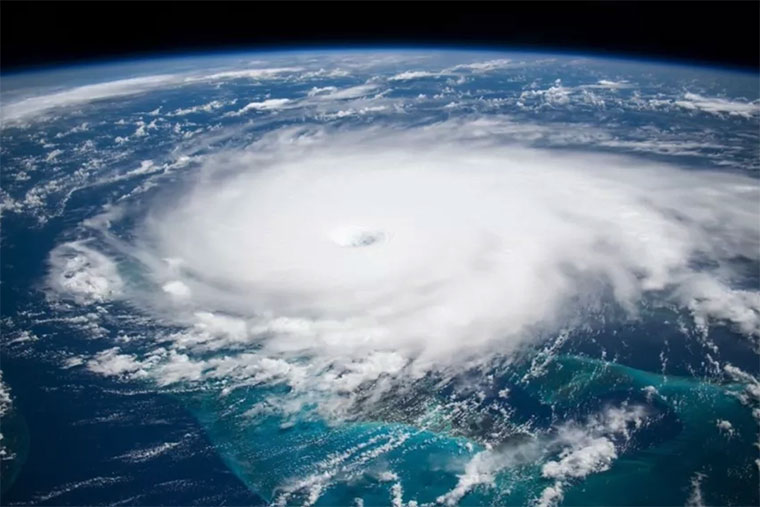
To prepare for their contact from space, each school held activities that enabled students to discover more about NASA and how platforms in space track disasters like tsunamis, earthquakes, and hurricanes.
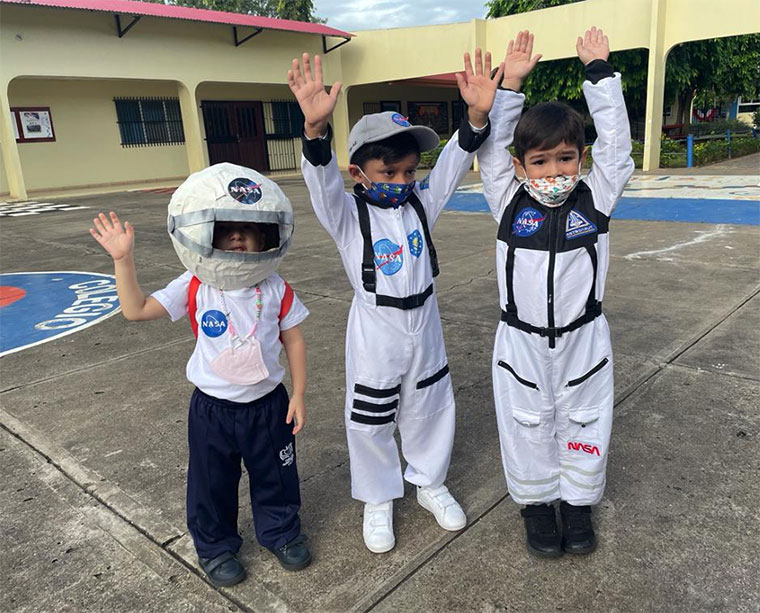
The conversations moved from the classroom to the dinner table as students shared their excitement with parents and others in their communities. The live chat was broadcast in English and Spanish, allowing families to follow along on social media.
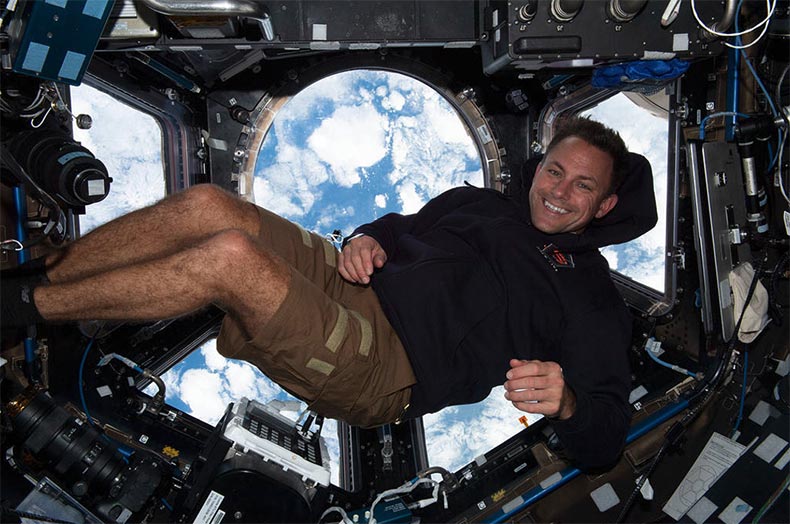
Cassada, 250 miles above the Atlantic Ocean, had plenty to talk about. The children submitted over 400 questions prior to the event. Cassada responded to a selected set of questions on topics ranging from climate change to what it's like taking pictures through a space station window.
The project aimed to engage students in an inspiring conversation about natural disasters. The goal: to increase student and community interest in Earth observations for disaster response. For organizers, this mission was a success.
"The kids are still sharing stories of this conversation. It was so inspiring for all of us," said Emiliano Rodriguez Nuesch of Pacifico Communications, the organization that produced the event for Disaster Fighters.
The Disasters program area is part of NASA’s Earth Applied Sciences Program. The project was also supported by the World Bank. in addition, the project team worked with local organizations like the United Nations Office for Disaster Risk Reduction in Central America and the Caribbean Disaster Emergency Management Agency in Barbados.