Infectious diseases are caused by pathogens, such as bacteria, viruses, parasites, or fungi. Some infectious diseases can be spread from one person to another, like the flu, HIV/AIDS, and cholera, or by contaminated food or water.
Some infectious diseases are "vector-borne," meaning they are transmitted to humans by insects or animals. Vector-borne diseases include malaria, Zika, dengue fever, West Nile virus, yellow fever, chikungunya, and Lyme disease.
Ebola, Zika, dengue, and other high-threat pathogens have great potential to cause a public health emergency and can easily spread beyond the endemic areas where they are usually found.
For example, the mosquito-borne disease dengue fever has been a growing threat for decades and can be fatal. As seen on the DengueMap, created by the U.S. Centers for Disease Control, 40% of the world is estimated to be at risk of dengue fever.
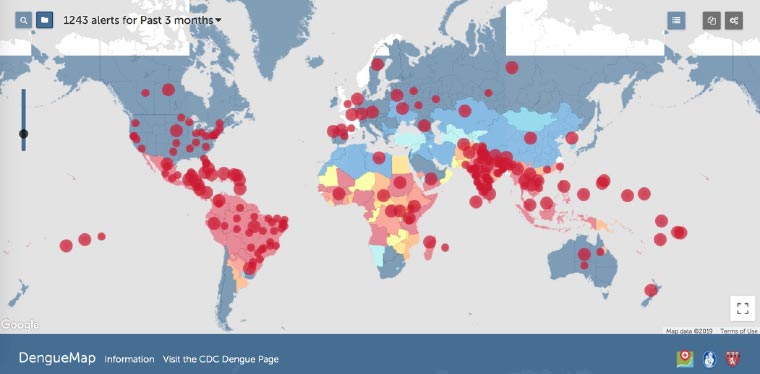
Many factors contribute to the emergence and re-emergence of infectious diseases, such as pathogen adaptation, anti-microbial resistance, changing ecosystems and weather, development and land use, vaccine hesitancy, and international travel.
Through international cooperation, we can work together to advance global health security and prepare for infectious disease outbreaks. These preparations can prevent or mitigate the impact of these dangerous diseases. Halting and treating diseases at their points of origin is one of the best and most economical ways of saving lives and protecting citizens.
Citizen science — science carried out when the public collects and analyzes data— is an important tool in combating vector-borne diseases. Countries around the world benefit from data collected by their citizens, which can help advance science and health. Technology advancements are helping to expand the reach of citizen scientists through tools like smartphone apps.
Two citizen science projects targeting vector-borne diseases are France's Signalement-Tique smartphone app and NASA's GLOBE program.
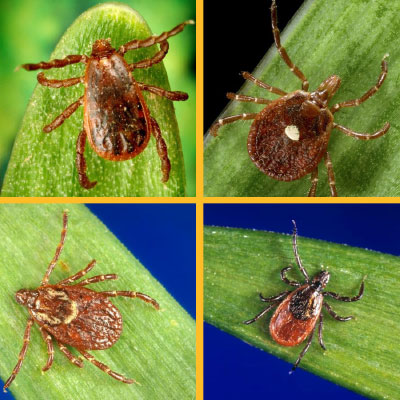
France's Signalement-Tique app allows users to report a tick bite, geotag its location, submit photographs, and even send the ticks to research teams.
Ticks carry pathogens that cause Lyme disease, Rocky Mountain spotted fever, tularemia and Crimean-Congo haemorrhagic fever. Lyme disease, known as Lyme borreliosis in Europe, is caused by the bacteria Borrelia burgdorferi. It is the most common tick-borne disease in both France and the United States. The disease is commonly transmitted to humans through the bite of infected ticks, leading to symptoms such as fever, headache, fatigue, and a characteristic skin rash, sometimes appearing as a "bull's eye." Most cases can be treated successfully with antibiotics, but untreated infections can spread to joints, the heart, and the nervous system.
NASA’s Global Learning and Observations to Benefit the Environment (GLOBE) program allows citizens to use the GLOBE Observer app to track and eliminate mosquito habitats. The State Department works through the GLOBE program to encourage students and private citizens throughout the world to map mosquitoes’ locations and habitats. Understanding where and what types of mosquitoes are present can help communities take measures to protect themselves against diseases, especially as mosquitoes that transmit these diseases expand into new areas as the climate changes.
Researchers, citizen scientists, and students contribute to our understanding of infectious diseases and how they spread. The U.S. Embassy in France and the Department of State look forward to continued work with France, international partners, and global citizens to fight vector-borne diseases.